Progression Tips for Beginners Learned at a SUP (Stand-Up Paddleboard) School (Part 2) / SUP(サップ)スクールで学んだ初心者からの上達ノウハウ(その2)

最近、人気上昇中のSUP(Standup Paddle)を、1年3か月前からスクールで学んできたことをこのブログに書き留めます。SUPに関心を持ち始めた方への上達ノウハウだけでなく、私の備忘録でもあります。ご利用いただければと思います。(『A SUP School Diary from Zushi — A Beloved Destination for Surfers / サーファーあこがれの地、逗子でのSUP(Standup Paddle)スクール日記』)
I’ve been learning SUP (Standup Paddle), which has been growing in popularity recently, at a school for the past year and three months. In this blog, I’m recording what I’ve learned—not only tips for beginners who are starting to take an interest in SUP, but also as a personal memo for myself. I hope you find it useful.
私自身が、もっと上達すれば、ビデオやGoProを使って動画などをアップしていきたいところですが、まだ、海上では安定していないので(汗)、実現していません。私の動画には拘っていないので、良い動画があれば、リンクしていきたいと思いますので、情報お待ちしております。
I’d love to upload videos using a camcorder or GoPro once I get better, but I’m still not stable enough out on the water, so… not quite there yet. Since I’m not particular about using only my own footage, I’d be happy to share good videos made by others. If you have any recommendations, please feel free to send them my way.
さて、先回「Progression Tips for Beginners Learned at a SUP (Stand-Up Paddleboard) School (Part 1)/ SUP(サップ) スクールで学んだ初心者からの上達ノウハウ(その1))」として以下の情報を発信しました。
In my previous post, “SUP: Tips for Improving from a Beginner Learned at School (Part 1),” I shared the following information.
- SUP(Standup Paddle)とは
- SUP(Standup Paddle)を始めたきっかけ
- SUP(Standup Paddle)の魅力
- SUP(Standup Paddle)の初心者向けノウハウ
- SUP(Standup Paddle)の中級者向けノウハウ(このページ)
- 参考商品情報
- What Is SUP (Standup Paddle)?
- How I Got Started with SUP (Standup Paddle)
- The Appeal of SUP (Standup Paddle)
- Beginner Tips for SUP (Standup Paddle)
- Intermediate Tips for SUP (Standup Paddle) — This Page
- Recommended Products
今回は、以下の内容に触れていきます。
In this post, I’ll be covering the following topics.
■目次 / Table of Contents
- SUP(Standup Paddle)の中級者向けノウハウ
- 漕ぎ方(中級編)
- 曲がり方(中級編)
- うねりへの対応
- 波乗りへの心がけ
- 波乗りの方法
- 波乗り時の緊急停止方法
- 風の強い時の対応
- Intermediate Tips for SUP (Standup Paddle)
- Paddling Technique (Intermediate Level)
- Turning Techniques (Intermediate Level)
- Handling Swells
- Mindset for Catching Waves
- How to Ride Waves
- Emergency Stop Techniques When Riding Waves
- How to Handle Strong Winds
■SUP(Standup Paddle)の中級者向けノウハウ / Intermediate Tips for SUP (Standup Paddle)
■漕ぎ方(中級編)/ Intermediate Paddling Techniques
スクールでよく言われるのが、「ブレード」でしっかり「水を摑む」ことです。
まず足の立ち幅ですが、拳1個半くらいにします。基本、親指の付け根の内側、内腿を意識します。なので、膝を曲げると膝が触れ合う感じになります。
First, let’s talk about your stance width. Aim for about one and a half fist‑widths between your feet. The key is to stay aware of the inside of the ball of your big toe and your inner thighs. When you bend your knees, you should feel as if your knees naturally come close together.
「ノーズ」の少し手前の位置に「ブレード」を挿し込みます。その時、足首、膝の緊張を解放して曲げます。「ブレード」を「杖」だと思って体重を乗せるように言われます。そして、その「ブレード」の位置に向けて、足裏でボードを摑んで、「ボード」を押し出す要領を教えてもらいます。が、私は、少しその感覚が掴める時もありますが、まだまだ安定して、その足裏で掴んで押し出すことが無意識にできない状況です。また、「ボード」の右側に「ブレード」を挿し込む際に、膝足首を曲げると共に左腰を少し外に出すようにすると、しっかり力強く「水を摑む」ことができます。これを、リズムよく繰り返すことで、スピードが加速していきます。
Insert the blade slightly in front of the nose of the board. At that moment, release the tension in your ankles and knees and let them bend. You’re often told to think of the blade as a “cane” and to place your weight onto it. From there, you’re taught to grip the board with the soles of your feet and push the board forward toward the spot where the blade is planted. I sometimes manage to feel this movement, but I still can’t consistently and unconsciously “grip and push” with the soles of my feet.
When inserting the blade on the right side of the board, bending your knees and ankles while slightly shifting your left hip outward allows you to “catch the water” more powerfully. Repeating this rhythmically helps you build speed and accelerate.
速度ゼロから加速する場合は、パドルのシャフトを広めに持ってブレードを深く入れて、膝足首を曲げてしっかり漕ぎ、ピッチを早くします。ある程度速度が付いたら、シャフトの幅を狭くして、水を掴んでゆったりと漕ぐと効率よく漕げます。
When accelerating from a complete stop, widen your grip on the paddle shaft, plant the blade deep in the water, bend your knees and ankles, and take strong strokes with a fast pitch. Once you’ve gained some speed, narrow your grip and take slower, more relaxed strokes while focusing on catching the water efficiently. This allows you to paddle with much better overall efficiency.
■曲がり方(中級編)/ Intermediate Turning Techniques
次に曲がる方法ですが、色々あります。代表的な方法を挙げます。
Next, let’s look at how to turn. There are several different methods, and here are some of the most common ones.
1)前方に進む通常の漕ぎ方の延長での曲がり方/ Turning as an Extension of Your Forward Stroke
基本、「ブレード」の面が進行方向と垂直に入り、垂直に漕いでいれば真っすぐ進みます。が、実際には、「ブレード」を差し入れる反対の方向に曲がっていきます。その原理の延長線上のやり方として、「ブレード」の面の向きと水に挿し入れる位置を変えることで、進行方向を調整できます。「ボード」に近い位置に、「ブレード」を挿し入れ、外側に漕ぐと、「ブレード」側と反対方向に曲がる角度が大きくなります。
Basically, if the blade enters the water perpendicular to your direction of travel and you pull it straight back, the board will move straight. However, in reality, the board naturally turns in the opposite direction from where you place the blade.
Building on that principle, you can adjust your direction by changing the angle of the blade and the position where you insert it into the water. If you plant the blade close to the board and pull outward, the board will turn more sharply to the opposite side of the blade.
2)「ブレード」を挿し入れる側への曲がり方/ Turning Toward the Side Where You Insert the Blade
上記の「止まり方」の要領ですが、方向が変わる程度に「ブレード」を水中に差し入れます。「ブレード」を自分の横から後方の位置に差し入れるようにします。バランスを崩しやすいので、安定した姿勢で行ってください。
Using the same idea as the “stopping” technique, insert the blade into the water just enough to change your direction. Place the blade slightly behind your hip, rather than directly beside you. Because this movement can easily throw off your balance, make sure you maintain a stable stance while performing it.
3)クロスターン / Cross‑turn
これはちょっと難しいです。体幹の課題と慣れの課題があります。「ブレード」を右側で漕いている「パドル」の持ち方で、「ボード」の左側に「ブレード」を挿し入れます。つまり、体を左にねじって、ブレードの挿し入れた位置に、体全体で、ねじって持っていく(「ボード」を回転)方法です。
This one is a bit difficult. It requires both core strength and getting used to the movement. While holding the paddle in the position you normally use for paddling on the right side, you insert the blade into the water on the left side of the board. In other words, you twist your body to the left and rotate your whole torso toward the spot where you plant the blade, using that motion to rotate the board.
出来るだけ大きな回転をする場合は、出来るだけ左の後方の遠くに「ブレード」を挿し入れると効果的なので、姿勢を低くして、「シャフト」を握る位置を、「グリップ」に近づけます。しっかり「水を摑む」(抵抗を感じる)ことで、回転が鋭くなりますが、その分、体幹が必要になります。180度近く方向転換する時は、「ブレード」を「ボード」の「ノーズ」をまたいで、「ボード」の右側も漕ぎます。
When you want to make the largest possible rotation, it’s most effective to plant the blade as far back and as far left as you can. To do this, lower your stance and slide your lower hand closer to the grip on the shaft. The more firmly you “catch” the water (feeling strong resistance), the sharper the rotation becomes — but this also requires more core strength. When you need to turn nearly 180 degrees, you swing the blade across the nose of the board and paddle on the right side as well.
波乗りの直前に、ボードの方向を波の進行方向にその位置で合わせるときに使います。逆に、少しだけ方向を変えたいときには、この「ブレード」を挿し込む位置を、「ボード」のすぐ左に入れて、少し体をねじってあげればいいです。初めのうちに曲がる方法と所作が全く違うので、慣れるまでかなり混乱しますが、慣れてしまえば、急激に曲がれるのでこちらの方が便利です。
You use this technique right before catching a wave, when you need to quickly align your board with the direction the wave is moving. Conversely, if you only want to make a small directional adjustment, you simply plant the blade just to the left of the board and add a slight twist of your torso. Because this turning method is completely different from the basic turning techniques you learn at first, it can feel very confusing until you get used to it.
4)ピボットターン / Pivot turn
これは、かなり難しいです。私も、練習しているターンです。スクールのインストラクターの方は、「『ピボットターン』は、波乗りの方向転換では実際には使わない」と言われています。が、「サーフスタンスのバランスの取り方には役立つ」とも言われています。他の上級者は、「使っている」とも言われるので、その人のスタイルだと思います。
This technique is quite difficult. I’m still practicing it myself. My school instructor says that the pivot turn is “not actually used for changing direction when catching waves.” However, they also say that it’s very useful for learning how to maintain balance in a surf stance. Some advanced paddlers, on the other hand, say they do use it, so I think it ultimately depends on each person’s style.
この「ピボットターン」は、両足の位置を従来の「パラレルスタンス」から、「サーフスタンス」に変える必要があります。「サーフスタンス」は、どちらかの足を後ろに引きます。一気に引くというより2,3回のアクションで引きますが、左右方向のバランスも取る必要があります。バランスが崩れないように、「ブレード」を水中に挿し入れて「杖」のようにバランスを調整すると良いです。重心が「テール」の方向に寄りますので、「ボード」の「ノーズ」が上がってきます。体が「ボード」に垂直に立っていると、後方に倒れてしまうので、体を前傾させバランスを取ります。その状態で、「パドル」を漕ぐと、「クロスターン」より回転が一気にできます。「ボード」の水への接地を少なくすることで、水の抵抗を減らせるからですね。回転が終わったら、元の位置に戻ります。非常に「ボード」と「体」のバランスを必要とする高度なターンになります。
The pivot turn requires you to switch your stance from the usual parallel stance to a surf stance. In a surf stance, one foot steps back—not in a single motion, but usually in two or three small steps—while also maintaining side‑to‑side balance. To avoid losing balance, it helps to plant the blade in the water and use it like a cane for support.
As your weight shifts toward the tail, the nose of the board begins to lift. If you stay standing upright, you’ll fall backward, so you need to lean your upper body forward to stay balanced. In this position, when you start paddling, you can rotate the board much faster than with a cross‑turn. This is because lifting the nose reduces the amount of board in contact with the water, which decreases drag.
Once the rotation is complete, you return your feet to the original position. Overall, this is a highly advanced turning technique that demands precise balance between your body and the board.
最近、指摘されたポイントとして「高い目線」です。他の項目でも書いていますが、目線を高く保つことが重要です。しかも、「クロスターン」や「ピボットターン」でも共通しているのは、自分が曲がりたい向き、つまり、パドルを挿し入れる位置の延長線上の遠くを見る(決してバドルを見ない)ことです。これを徹底すると、頭の位置が重心からぶれずに、ぶれたときも体が自然と補正してくれるため、安定してバランスを取ることができます。
One of the points I was recently reminded of is the importance of keeping your gaze high. As I’ve mentioned in other sections, maintaining a high line of sight is crucial. What’s common to both the cross‑turn and the pivot turn is that you should always look far ahead in the direction you want to turn—specifically, along the extended line of where you plant the paddle. Never look at the paddle itself.
When you consistently do this, your head stays aligned with your center of gravity, and even if it shifts slightly, your body naturally corrects itself. This allows you to maintain stable balance throughout the movement.
更に、膝、足首を曲げて姿勢を低くし、パドルのシャフトを狭く(30cmくらい)持ち、ブレードを出来るだけ体から離れた位置に、海中に深く入れずに、ちょうどブレードに水が被る程度で、体全体でボードを回す感じにすると、結構安定して回転できるようになってきました。私も、これらを心がけることで少しずつコツが掴めつつあります。
By bending your knees and ankles to lower your stance, narrowing your grip on the shaft to about 30 cm, and placing the blade away from your body—just deep enough so the blade is lightly covered with water—you can rotate the board more stably. Instead of digging the blade deep, you use your whole body to turn the board. With these adjustments, I’ve gradually become able to rotate more consistently, and I’m slowly getting the feel for it as I keep these points in mind.
■うねりへの対応 / Handling Swells
視線を上げて、視界を広く取ることが重要です。私もなかなかできなく、「パドル」を挿し入れるノーズの位置に視線を落としがちでした。視線を落としていると周りのうねりの状況が的確につかめない状況になります。そのため、常に視線を高くし、どこからどういうサイズのうねり、あるいは波が来ているのかを把握して、そのうねり、波への対処準備をしておく必要があります。
It’s important to lift your gaze and keep a wide field of view. I used to struggle with this as well, often dropping my eyes toward the spot near the nose where I was planting the paddle. But when your gaze drops, you can’t accurately read the surrounding swell conditions. That’s why you must always keep your eyes high and be aware of where the swells or waves are coming from and how big they are, so you can prepare your response in advance.
内腿を意識すること、「パドル」の「ブレード」での「水の掴み」で崩れるバランスを支えながらバランスを取って、膝や足首で、うねりや波を吸収していきます。例えで言うと、スキーのコブを滑っている感じです。コブに逆らうのではなくて、コブを体全体で吸収する感覚です。(ちなみに、私はコブが苦手です)
You need to stay aware of your inner thighs, use the paddle’s blade catch to support any imbalance, and let your knees and ankles absorb the swells and waves. It’s similar to skiing through moguls—you don’t fight against the bumps; you absorb them with your whole body. (For the record, I’m not very good at moguls either.)
最近ようやくわちゃわちゃした波でもある程度堪えることができるようになってきました。(油断すると落水しますが。。。)私は、身長が183㎝あり体重が軽いので、重心が高く結構揺れに不利です。そのために、膝を曲げて中腰で、イメージ的に腰を、骨盤を視点として、左右にバランスをとる感じです。そして、パドルは常に斜め前にさしておいて、バランスの補助をします。それでもバランスが崩れそうになると、パドルを素早く抜いて、倒れそうな方向の面をパドルで叩いて支えたりします。このパドルで叩く行為、もっと簡単に習得できるようになるかと当初思っていましたが、意外と咄嗟の時にできるようになるまで時間が掛かりました。(2024年6月24日)
Recently, I’ve finally become able to withstand choppy, messy waves to some extent—though I still fall in if I let my guard down. Because I’m 183 cm tall and fairly light, my center of gravity is high, which puts me at a disadvantage in unstable conditions. To compensate, I bend my knees and stay in a half‑squat position, using my hips—almost like my pelvis is the pivot point—to balance side to side. I also keep the paddle planted diagonally in front of me to help stabilize myself.
If I still feel like I’m about to lose balance, I quickly pull the paddle out and slap the water on the side I’m falling toward to support myself. I originally thought this “paddle slap” would be easy to learn, but it actually took quite a while before I could do it instinctively in sudden situations. (June 24, 2024)
■波乗りへの心がけ / Mindset for Catching Waves
波は、深いところから、浅い棚になったところで、起こります。大きな体積でやってきた水が、いきなり浅くなったために波として盛り上がります。そして、波乗りに適した波は、白く崩れる波で、そこには、波の力が集中しています。その波の力を利用して、サーフィンをします。その白く力を持っている波には、地形や潮の流れ、気象条件によって変わります。時には、広い面で押し寄せてくる場合や、比較的狭い範囲で来る場合があります。その日の海のコンディション、時間によってのコンディションを確認が必要です。
Waves form when deep water suddenly becomes shallow over an underwater shelf. A large volume of water moving forward is forced upward as the bottom rises, creating a wave. The best waves for riding are the ones that break into whitewater, because that’s where the wave’s power is concentrated. You use that concentrated energy to surf.
The shape and strength of this whitewater depend on the seafloor, tidal flow, and weather conditions. Sometimes the wave pushes in with a wide, broad face; other times it forms in a much narrower section. That’s why it’s important to check the ocean conditions for the day—and even how they change throughout the day.
また、海の上は、風やうねり、潮の流れのため、油断すると自分の位置が分からなくなります。インストラクターにいつも言われるのが、「自分の位置をいつもで確認できる目印を2か所決めておくことだ」と言われています。例えば、あそこの木がレストランの屋根の右側になっている線上と、あの山のアンテナが、手前のビルの真ん中の線上に自分が居るようにするなどです。自分の位置が分からなくなると、気づいた時には、沖に流されていたり、自分が戻りたい位置までかなり距離があり、向かい風でそこまで行くために体力が失われるなど危険が伴います。
Out on the ocean, wind, swells, and currents can easily make you lose track of your position if you’re not paying attention. My instructor always tells me to choose two fixed landmarks that I can use to constantly check where I am. For example, keeping myself on the line where that tree lines up with the right side of the restaurant roof, or where the antenna on the mountain lines up with the center of the building in front of it.
If you lose awareness of your position, you may suddenly realize you’ve drifted far offshore, or that you’re much farther from where you want to return than you thought. In those situations, paddling back against a headwind can drain your energy quickly and become dangerous.
また、私が利用している逗子海岸は、浅くなっている場所は、岩場でウニがたくさんいるので、浅い場所で落水して、踏みどころが悪いと、ウニが刺さり、完全に針が抜けるまで非常に辛い痛みを伴います。体から針を取り残すと、数週間以上痛み続けます。ですので、波乗りは、覚悟を決めて行う必要があります。
At Zushi Beach, where I usually paddle, the shallow areas are rocky and full of sea urchins. If you fall in and step on one in the wrong spot, the spines can pierce your foot, and the pain is intense until every last spine is removed. If even a small piece remains in your body, it can keep hurting for weeks. Because of that, you really need to approach wave riding with a certain level of seriousness and commitment.
また、「良い波が発生し、進んでいくところを一方通行の高速道路だと思いなさい。」と言われます。途中で、落水して、そこに滞在したり、戻るときに、その高速道路を逆行したりすると、衝突事故が起きたり、波乗りのスタート時点で渋滞が起きたりするので、落水したら早急に、横に逸れるように努力する。波を乗り終わったら、早急に横に逸れて戻ってくることが必要になります。
I’m often told to think of the path where a good wave forms and travels as a one‑way highway. If you fall in and stay in that path, or if you try to paddle back through it in the opposite direction, it can cause collisions or create traffic jams at the takeoff point. So if you fall, you must immediately move sideways out of the wave’s path.
落水した場合、波に揉まれるので、そう簡単に高速道路から逸れることは難しいのですが、出来るだけ早急にを心がけましょう。(私も周囲に迷惑をいっぱいかけています)また、大きい力のある波を待つ人が、沖に居る傾向になります。ですので、それより小さい波に乗りたい場合は、高速道路から逸れた路側帯で、上手な人が乗らなかった波が来た時に、さっと高速道路に入れる体勢を取っておく必要があります。このさっと入って、方向転換するもの結構な技術が必要です。
When you fall in, the wave tosses you around, so it’s not easy to get out of the “highway” right away. But you should still make every effort to move sideways as quickly as possible. (I’ve caused plenty of trouble for people around me too.)
Stronger, more powerful waves are usually taken by the riders waiting farther out. So if you want to catch smaller waves, you need to stay in the “shoulder” area—off to the side of the highway—so that when a wave comes that the advanced riders don’t take, you can slip into the highway quickly and start your ride. Being able to move in quickly and turn into the wave at the right moment actually requires quite a bit of skill.
■波乗りの方法 / How to Catch Waves
私は、この「波乗りの方法」を語るレベルではないのですが、基本的なところだけ触れます。そして、今後、自分のレベルがアップしたときに、情報更新していしていこうと思います。波を待つ間、ボードは波の来る方向に向けて常に波の状況を確認し続けます。良い波(大きく力のある波)は、遠くから何となく黒く前後の波と雰囲気が違うように思えます。この表現で良いのか私も自信が無いですし、どう表現していいかよく分かりません。その波あるいは乗りたい波が20mくらい手前に来ると、周囲の人たちとアイコンタクトをして自分が行くべきか見送るべきかを判断します。
I’m not yet at the level where I can fully explain how to catch waves, but I’ll touch on the basics. As my skills improve, I plan to update this section with more accurate insights.
While waiting for a wave, you always keep your board facing the direction the waves are coming from and continuously observe the conditions. A good wave—a larger, more powerful one—often looks slightly darker and has a different feel compared to the waves before and after it. I’m not entirely confident in how to describe this, and I’m still figuring out the best way to express it myself.
When the wave you want to catch comes within about 20 meters, you make eye contact with the people around you to decide whether you should go for it or let it pass.
そこで、もし自分がいける状況だったらアプローチに入ります。高速道路に入って、波の進行方向に向き、後ろを見て波の動きに合わせながらパドル少しづつ加速し、「パラレルスタンス」から「サーフスタンス」に切り替えていきます。そして、「ボード」の「テール」がふっと上がったときに、加速最大にします。加速最大にするためには、「サーフスタンス」で、後方に体の位置がありますが、「パドル」を出来るだけ前に挿し入れてしっかり深く漕ぐ必要があります。ここで、波のスピードに達しないと、波に置いて行かれてしまいます。よくやりがちなのが、「パドル」を浅く入れ、回数を増やすことです。これは、実際は、加速がしっかりできないパターンです。波に乗れれば、後は、「パドル」で漕がなくても、波と共に、進んでいきます。
If the situation looks right for you to go, you begin your approach. You enter the “highway,” turn your board in the direction the wave is traveling, look back to match the wave’s movement, and start paddling to gradually build speed. From there, you transition from a parallel stance into a surf stance. When the tail of your board suddenly lifts, that’s the moment to apply your maximum acceleration.
Even though your body position in surf stance is shifted toward the back, you still need to plant the paddle as far forward as possible and take deep, powerful strokes to reach full speed. If you fail to match the speed of the wave, it will simply pass under you and leave you behind. A common mistake is planting the paddle too shallow and compensating by increasing the number of strokes. This actually prevents proper acceleration. Once you catch the wave, you no longer need to paddle—the wave will carry you forward on its own.
「波乗り」の時は、「サーフスタンス」のポジションが、前後、左右の自由度が利き、踏ん張り、抑えが利くので好ましいのですが、「パラレルスタンス」でも波乗りはできます。「ボード」上で、真ん中より後ろに重心を移動させ、「ボード」の「ノーズ」を上げるようにします。あまり後ろに重心を持ってき過ぎると、後ろにひっくり返ってしまいます。中腰姿勢で前傾姿勢をしっかり取り、ひっくり返らないように「ボード」を抑え込むようにします。私は、どちらかというと、「ノーズ」が、突き刺さってしまう傾向があるので、重心を後ろにしていく工夫が必要です。いきなり立っての「波乗り」は、かなりハードルが高いので、初めのうちは、座った状態で、波乗りの感覚を身に付けると楽しいと思います。
When riding a wave, the surf stance is generally preferable because it gives you more freedom and control—both front‑to‑back and side‑to‑side. But it’s also possible to ride waves in a parallel stance. In that case, you shift your weight slightly behind the center of the board to lift the nose. If you shift too far back, you’ll tip over backward, so you keep a low, forward‑leaning posture to hold the board down and maintain control.
I personally tend to bury the nose of the board, so I have to make a conscious effort to keep my weight farther back. Standing and catching waves right from the start is quite challenging, so in the beginning, it can be fun—and much easier—to practice catching waves while sitting. It helps you get a feel for how the wave picks up the board without worrying about balance.
更に慣れてくると、波に乗る時は、座った状態で行い、波に乗り切ったところで、立ち上がるというのもありです。「ボード」は、スピードが出ると安定してくるので、立ちやすくなります。加速するためのアップス&ダウンや、波上でターンすることはまだまだできませんので、現時点割愛します。
Once you get more comfortable, another option is to catch the wave while sitting and then stand up after the wave has fully picked you up. As the board gains speed, it becomes more stable, which makes standing much easier.
I’m still not able to do ups and downs for acceleration or make proper turns on the wave, so I’ll leave those topics out for now.
波乗り時の緊急停止方法 / Emergency Stop Techniques When Riding Waves
波乗りをしていると、自分自身が、ビーチ(浅瀬)に突っ込んだり、崖や岩に突っ込んだり、最悪なのが、他人に突っ込んだりすると、自分のみならず、相手に怪我をさせてしまう。クルージングは、パドルを海中に入れると大抵止まる。あるいは、自ら海に飛び込んでしまうこともできる。しかし、「波乗り」となると、波の大きさ、強さによっては、パドルを海中に入れても全く止まることができない。また、猛スピードで、衝突の対象物に近づいていく。上級者になると、ボードの進行方向を変えて、障害物を回避することもできるが、初心者にはほぼできない芸当です。
When you’re riding a wave, there’s a real risk of being pushed straight into the beach, into rocks or cliffs, or—worst of all—into another person. In those situations, you can injure not only yourself but also the people around you.
During cruising, you can usually stop by planting your paddle in the water, or you can simply jump off the board. But when you’re riding a wave, depending on the size and power of the wave, planting the paddle won’t slow you down at all. You’re being pushed forward at high speed, and you keep accelerating toward whatever is in front of you.
Experienced riders can sometimes change the board’s direction to avoid obstacles, but for beginners, that’s almost impossible.
そのため、この「緊急停止方法」は、もしもの時のために、非常に重要なテクニックになります。方法は簡単です。よくサーファーが、沖に向かって波を待つ時に、ボードを跨いで座っているシーンを見たことがあると思います。まさに、あの格好を、緊急停止時にやればいいのです。波乗り中は立っているので、危険を察知したら、以下の手順。
That’s why this “emergency stop” technique is extremely important—it’s something you need to be able to do instantly when things go wrong. The method itself is simple. You’ve probably seen surfers sitting on their boards with their legs on either side while waiting for waves out in the lineup. That exact position is what you use when you need to stop in an emergency. Since you’re standing while riding a wave, once you sense danger, you follow these steps:
- さっとしゃがむ。/ Drop into a squat immediately.
- 「キャリーハンドル」の横あたり、あるいは、それより後方のレールを両手でしっかり掴む。/ Grab the rails firmly with both hands around the carry handle or slightly behind it.
- そして、両足を開いて、ボードに座る。/ Then spread your legs and sit down on the board.
- 可能なら、ノーズを上げるようにする。/ If possible, lift the nose of the board.
あるいは、更に緊急停止の場合は、
Or, in an even more urgent situation,
- さっとしゃがむ。/ Drop into a squat immediately.
- 「キャリーハンドル」の横あたり、あるいは、それより後方のレールを両手でしっかり掴む。/ Grab the rails firmly with both hands around the carry handle or slightly behind it.
- そして、手を放さずにボードの横に降りる。岩場では、ウニや岩の凸凹で怪我をする可能性があるが、そういった自分の足場より人に迷惑を掛けないことが前提。/ …and in a true emergency, step off to the side of the board while keeping your hands on it. In rocky areas, you might injure yourself on sea urchins or uneven rocks, but avoiding harm to other people takes priority over protecting your own footing.
この動作をすることで、ブレーキが掛かるので波から抜けられます。あるいは、自分自身は、波に揉まれるかもしれませんが、最悪の事態を回避することはできます。このとき重要なのは、ボードを放さないことです。リーシュで繋がれているとはいえ、ボードは7mくらいは吹っ飛んでいきます。そのボードが、相手に怪我をさせることもあります。それをしないためにボードを抑えておく必要があります。また、ボードは面積があるので抵抗となって、自分自身のスピードを落としてくれます。先日この緊急停止方法を学んだ直後に、ビーチブレイクで波乗りをしている際に、子供が進路方向に入ってきた際に、緊急停止を使いました。また、同日、胸サイズの波の乗った際に、非常に高い位置のまま、ビーチまで運ばれた際に、身の危険を感じて、この緊急停止で波から降りました。非常に重要なテクニックですが、何回かやればコツがわかりますので、危険に遭遇する前に予行練習で試してみてください。
By doing this movement, you create enough drag to slip out of the wave. You might get tumbled by the wave yourself, but you can still avoid the worst‑case scenario. The most important thing here is notto let go of your board. Even with a leash, the board can shoot forward as far as seven meters, and that alone can injure someone. Holding onto the board prevents that from happening, and because the board has a large surface area, it also creates resistance that helps slow you down.
Right after I learned this emergency stop technique, I actually had to use it during a beach break when a child suddenly entered my path while I was riding a wave. Later that same day, I caught a chest‑high wave and was carried all the way toward the beach from a very high position on the wave. I felt it was dangerous, so I used the emergency stop to get off the wave safely.
It’s an extremely important technique, but once you practice it a few times, you’ll quickly get the feel for it. Try rehearsing it before you ever find yourself in a real emergency.
更に、波乗り時のブレーキのかけ方です。中級偏なので、私も教えてもらったばかりで、実際に試したことがありません。
Here’s another way to apply braking while riding a wave. This is more of an intermediate‑level technique, and I’ve only recently learned about it myself, so I haven’t actually tried it yet.
- サーフスタンスの態勢のまま、テール方向に重心を乗せる。/ Keep your surf‑stance position and shift your weight toward the tail.
- ノーズを思いっきり上げる。/ Lift the nose as high as you can.
- 波が、ボードの上を通り過ぎて行きます。/ The wave will pass over the top of your board.
- その結果、波から外れるのでボードは止まります。/ As a result, you slip out of the wave’s power, and the board comes to a stop.
■風の強い時の対応[更新2020年9月29日] / How to Handle Strong Winds
一番大事なのは、海上に出るときに、自分がビーチに戻ってくる時間帯をアプリ(Windyなど)できちんと把握しておくことです。風向きは、天気図で見られる気圧の配置の他に、同じ気圧の原理ですが「海陸風」と言われる「陸は暖まりやすく冷えやすい(比熱が小さい)一方、海は暖まりにくく冷えにくい(比熱が大きい)」の原理から、陸が十分温まると海から陸への「海風」が吹き、夜や朝は、陸が冷えるので陸から海への「陸風」が吹きます。
The most important thing is to check, before you head out, what the wind conditions will be at the time you plan to return to the beach. Use an app like Windy to make sure you understand the forecast properly.
Wind direction is influenced not only by the pressure patterns you see on weather maps, but also by the same physical principles behind “sea breeze” and “land breeze.” Because land heats up and cools down quickly (low specific heat), while the ocean warms and cools slowly (high specific heat), warm daytime land creates a sea breeze blowing from the ocean toward the shore. At night and early morning, when the land cools, the opposite happens: a land breeze blows from the shore out toward the sea.
この原理を把握しておかないと、散々に疲れた後に、帰ろうと思っても、漕いでも漕いでもビーチに辿り着かないという悲惨が状況が待っています。遭難の多くは、逆風でビーチに戻れないことですので、風向きはきちんと把握して計画的に遊んぶ必要があります。いざ、強風に出会ったときに指導されるのは以下の通りです。
If you don’t understand this principle, you may find yourself in a terrible situation: completely exhausted, trying to paddle back, yet no matter how hard you paddle, you simply can’t reach the beach. Most cases of distress at sea happen because people can’t return to shore due to headwinds. That’s why you must always check the wind direction and plan your session accordingly.
- 体は、ヨットで言う帆になるので、出来るだけ低い姿勢で風を受けないようにする。つまり、前傾姿勢で、風を受ける面積を減らすことです。あるいは、ボード上に座ってパドルを漕ぐことです。体の姿勢も安定します。
- ボード上で一番不安定なときは、スピードが出ていない、つまり、動いていないときなので、とにかくボードを加速させることを心がける。
- 風上に方向転換する際は、目標の方向の8割くらいまで回転したら、パドルのブレードの向きを、目標の方向に面を合わせながら、加速し最終的に目標の方向に向いているようにする。回転時は不安定なので、向かい風に正面対峙する前に、少しでも加速させておこうという思想です。
- 波を待つときは、基本動いていないので、風が強いとバランスが崩れやすいです。バランスが崩れないように、風に流されないように、パドルを常に海中に差し入れてバランス取りと舵取りをして態勢と位置を保つようにします。
- Your body acts like a sail, so you need to keep your posture as low as possible to avoid catching the wind. Lean forward to reduce the surface area exposed to the wind. Another option is to sit on the board and paddle — this lowers your profile and makes your body position more stable.
- The most unstable moment on a board is when you have little or no speed — when you’re not moving. So you should always focus on getting the board moving and building up speed.
- When turning upwind, rotate the board until you’re about 80% toward your target direction. Then angle the paddle blade so its face matches the direction you want to go, and start accelerating so that you finish the turn while already moving forward. Because the board is unstable during the rotation, the idea is to gain some speed before you end up facing directly into the headwind.
- When waiting for a wave, you’re basically not moving, which makes you much more vulnerable to losing balance in strong wind. To avoid getting pushed off balance or blown off your spot, keep your paddle in the water at all times. Use it both for stability and for steering so you can maintain your posture and hold your position.
現時点は以上になります。
That’s all at this time.
私も引き続き基礎からしっかり学んで楽しく上達していこうと思います。皆さんも楽しんで上達してください。
I’m going to keep learning the fundamentals and enjoying the process as I improve. I hope all of you have fun and keep progressing as well. Thank you.
先回と最新の
「Progression Tips for Beginners Learned at a SUP (Stand-Up Paddleboard) School (Part 1)/ SUP(サップ) スクールで学んだ初心者からの上達ノウハウ(その1))」
『Progression Tips for Beginners Learned at a SUP (Stand-Up Paddleboard) School (Part 3)/ SUP(サップ) スクールで学んだ初心者からの上達ノウハウ(その3)』
も参考にしてください。
A SUP School Diary from Zushi — A Beloved Destination for Surfers / サーファーあこがれの地、逗子でのSUP(Standup Paddle)スクール日記 ←奮闘ブログへリンク(初回~最新のスクール体験談)
■参考商品情報
尚、贔屓メーカーはありません。参考情報なので適当に選んでいます。
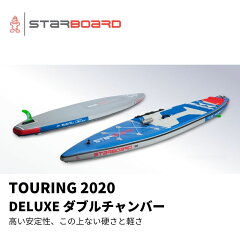
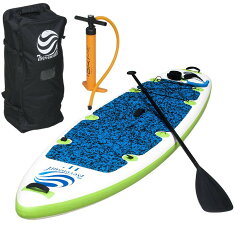
インフレータブルボード(利用時に空気を入れる)の商品例

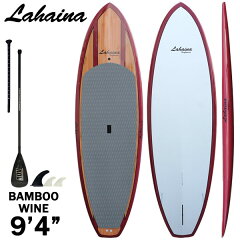
ハードボードの商品例

バドルの商品例

リーシュコードの商品例

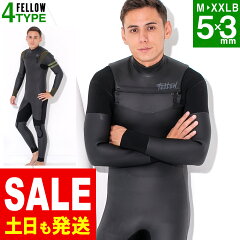
ウェットスーツの商品例
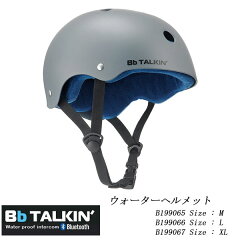
ウォーターヘルメットの商品例(自他のボードや岩などに当たった時の安全策)
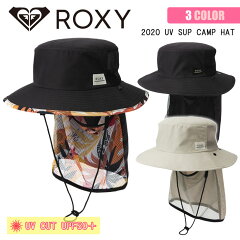
サーフハットの商品例(日焼け防止)
マリンシューズの商品例

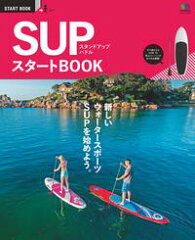
SUPの本
この記事へのコメント